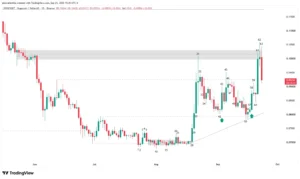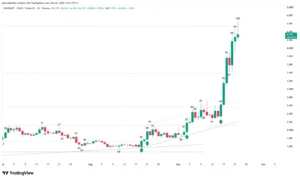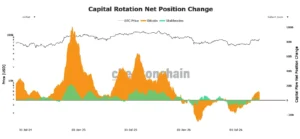

The Litecoin network overcame one of its toughest tests after the detection of a “zero-day” exploit that enabled a Denial of Service (DoS) attack and the issuance of invalid transactions. The development team acted swiftly by executing a 13-block chain reorganization (reorg) to invalidate malicious movements attempting to drain funds toward decentralized exchanges (DEX). Following the initial chaos, developers released Litecoin Core v0.21.5.4, a mandatory security update that patches the vulnerability and restores stability to the protocol.
An MWEB Bug: The Origin of the DoS Attack
The incident originated within the MWEB (MimbleWimble Extension Block) extension, Litecoin’s technology that enables private transactions. An input validation error allowed attackers to compromise transaction accounting, facilitating illegitimate coin “peg-outs” to third parties.
This flaw not only threatened the integrity of the litecoin supply but also caused massive disruptions across major mining pools that had not updated their nodes.
The 13-Block “Surgery”: What Happened to My Transactions?
To correct the diversion of funds, the network executed a 13-block reorg. This means the official history of Bitcoin (in its Litecoin protocol variant) was rewritten to erase invalid transactions before they became permanent.
Fund Status: Valid transactions conducted during that period remained unaffected.
Immediate Action: Developers confirmed that attackers attempted to move funds to DEXs, but the reorganization prevented those movements from consolidating on the main chain.
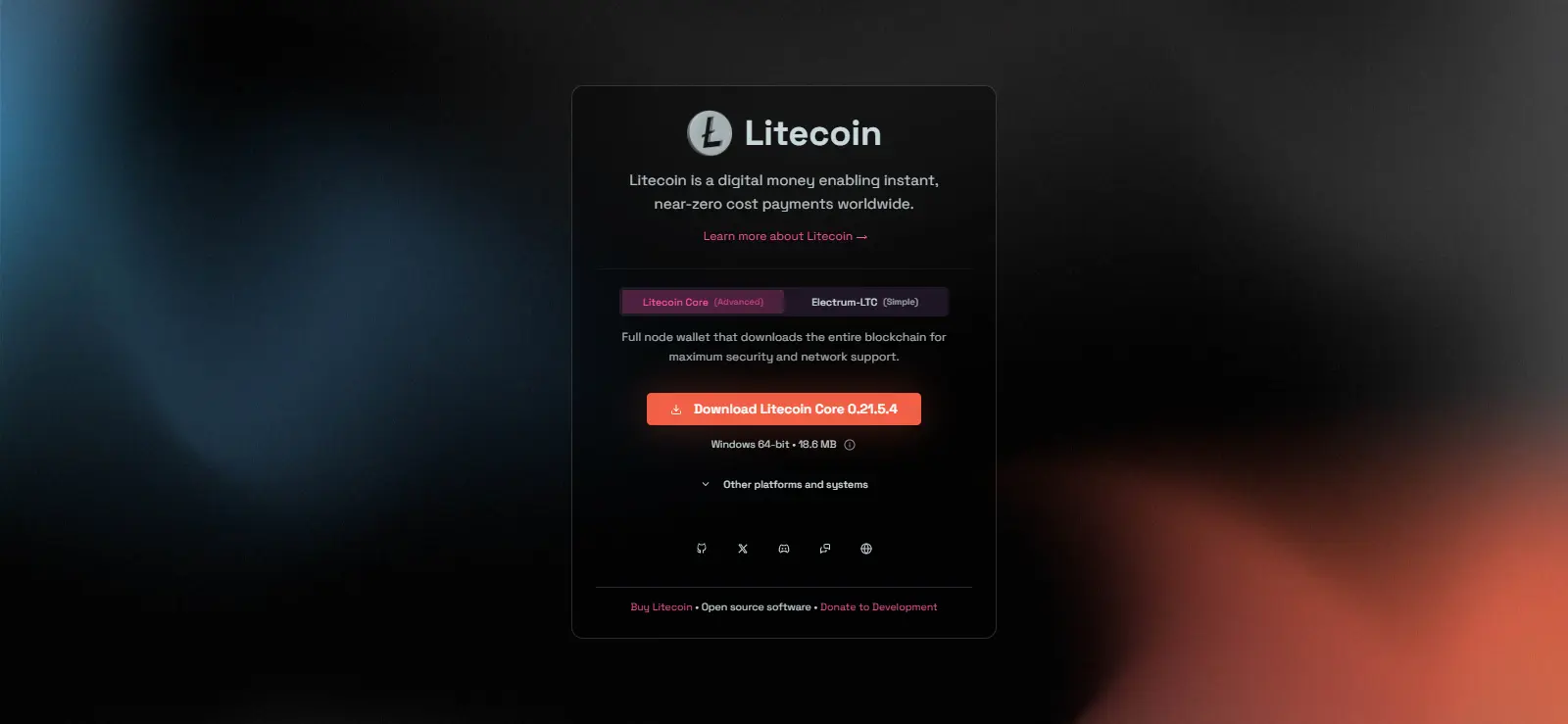
Critical Update: Litecoin Core v0.21.5.4
The new version of Litecoin Core is, in the words of the developers, a “defense-in-depth” update. Key technical changes include:
MWEB Consensus Fix: Resolves the imbalance in the “kernel” sum, ensuring that input and output accounting is exact.
Miner Protection: Removes mutated block data to prevent DoS attacks that paralyze block production.
Fee Security: Prevents overflows in MWEB transaction fees.
Where Is Litecoin Price Headed?
In the short term, this event demonstrates that Litecoin development remains active and capable of responding to technical crises in record time. While a 13-block reorg typically triggers market jitters, the team’s transparency prevented mass panic. For investors, the network’s resilience reinforces the thesis of Litecoin as a robust network, although it highlights the inherent risks of implementing complex privacy features like MWEB.
| 💡 What is a “Zero-Day” Attack? |
|---|
| In the world of cybersecurity and blockchain, a “zero-day” attack is like someone discovering a secret backdoor in a vault that even the manufacturers don’t know exists.
The Concept: It is called “zero-day” because developers have exactly zero days to fix the vulnerability before someone exploits it for their own gain (as recently happened with the Litecoin protocol). In Blockchain: These flaws are especially dangerous because, as open networks, any code error allows hackers to exploit the system, attempt to manipulate transactions, or halt the network before the community can release a “patch” or update. Why Does It Matter to You?When you hear that a project suffered this type of attack, the key isn’t just the error itself, but the response speed. A strong network is one that, faced with a “Zero-Day,” releases a critical update within hours, thereby protecting the value of your investment in bitcoin or any other cryptocurrency. |
Disclaimer: This report is for informational purposes and does not constitute financial advice. Investments in crypto-assets carry a high risk of volatility.

Communications Professional. Crypto Enthusiast. Economic Journalist. Bitcoiner & Altcoiner.