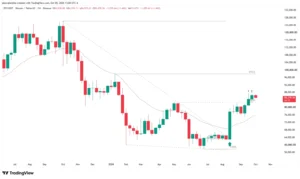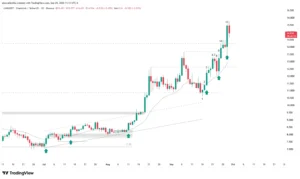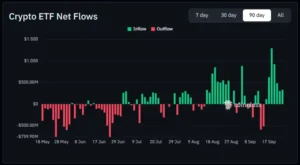

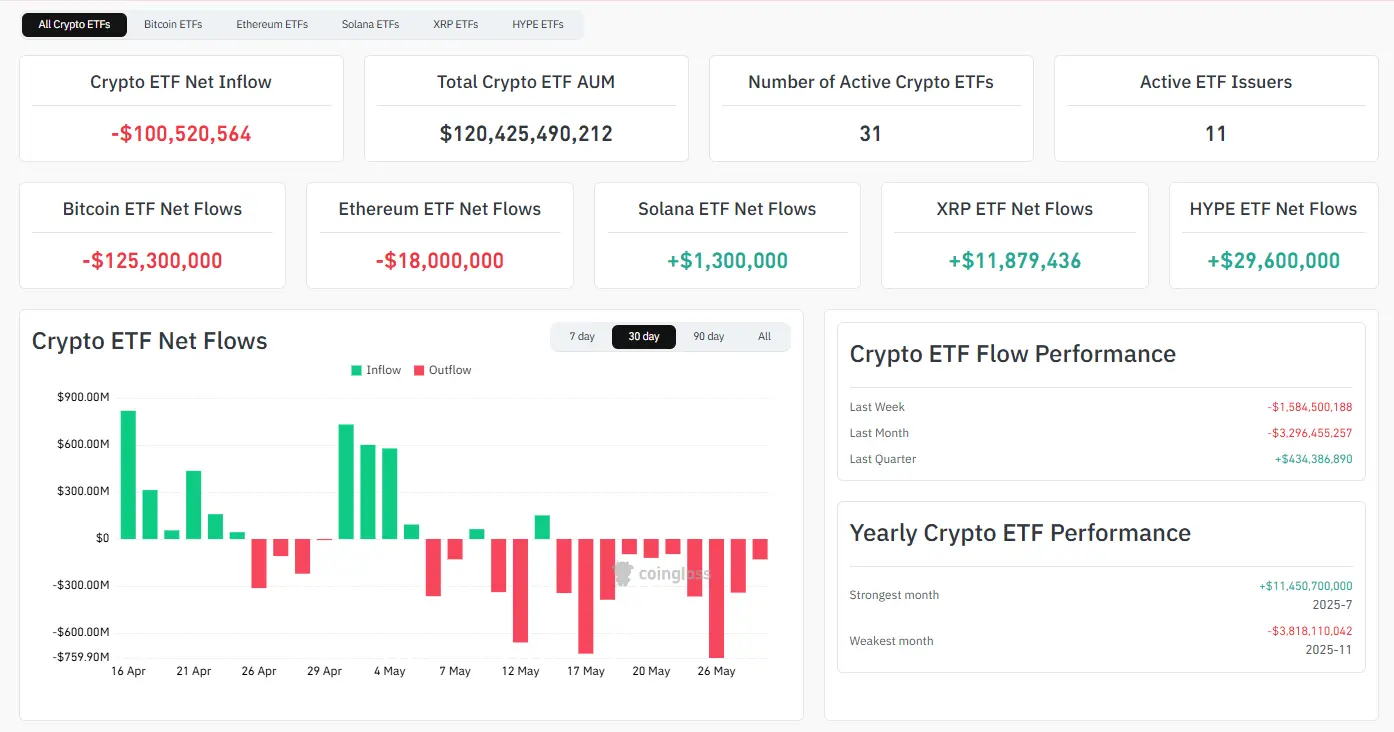
The cryptocurrency exchange-traded fund (ETF) market just closed one of its toughest weeks so far in 2026. The lack of a definitive agreement to reopen the Strait of Hormuz raised the specter of an oil shock that would directly impact US inflation data. Facing the prospect of the Federal Reserve (Fed) keeping interest rates higher for longer, institutional capital chose caution. On the last recorded trading day on May 28, the crypto ETF market posted a net outflow of $100,520,564 last Friday, consolidating a massive exodus totaling -$1,670,029,346 in just five days. This heavy liquidation forced a technical pullback in bitcoin, whose price is testing the key support zone between $73,000 and $74,000.
Macroeconomics Dictates the Pace: Oil, Inflation, and the Fed
Institutional investor behavior is not an isolated event; it responds to a direct correlation with global geopolitics. The prolonged blockade in the Strait of Hormuz—through which a quarter of the world’s crude oil passes—keeps energy supply chains under pressure. For Wall Street, the equation is simple and fearsome: if oil prices remain high, production costs will skyrocket, ruining efforts to cool the US economy.
Under this scenario, the Fed will highly likely decide to postpone any monetary easing and prefer to keep interest rates high. Historically, a restrictive rate environment drains liquidity from risk assets, forcing large funds to seek refuge in the US dollar or Treasury bonds. The impact on crypto capital distribution channels was immediate, transforming first-quarter optimism into a severe risk-off strategy.
Asset Flow Breakdown: Bitcoin Suffers, Altcoins Hold Ground
The breakdown of institutional flows reveals uneven behavior within the ecosystem, where the market’s two giants absorbed the brunt of the negative impact, while some specific vehicles unexpectedly managed to capture capital last Friday.
Bitcoin Under Pressure: ETFs backed by the king asset led the losses with outflows of $125.3M. BlackRock’s giant IBIT suffered an especially bloody day with a net drain of -$68,200,000. This move technically explains the asset’s price pullback in the spot market, breaking temporary supports due to the lack of institutional demand.
Ethereum in the Red: Funds based on the Ethereum protocol did not lag behind, logging net withdrawals of $18,000,000, reflecting that the current lack of interest affects both pillars of the sector equally.
The Altcoin and Derivatives Surprise: In sharp contrast, alternative products showed positive inflows. The Hyperliquid ecosystem led gains with the BHYP fund adding +$20.1M on the day (and a sector net of +$29.6M), followed by moderate inflows into XRP ETFs (+$11.8M) and Solana (+$1.3M), proving that certain specific sectors continue to attract tactical niche bets.
The Pulse of Major Wall Street Firms
Despite the weekly storm, cumulative data from the 31 active ETFs managed by 11 issuers prove that the financial pie remains concentrated in a few hands, with total assets under management (AUM) holding steady at $120,425,490,212.
BlackRock’s dominance remains uncontested with over $75B in historical inflows, followed from a distance by Fidelity. On the opposite side, Grayscale continues to bleed capital, accumulating an historical outflow of -$27.53B across its 6 structured products, a trend that worsens during periods of macroeconomic volatility like the current one.
Where Is the Market Heading in the Short Term?
The technical and fundamental reading is clear: crypto ETFs are functioning exactly as the institutional transmission channel they were designed to be. This means bitcoin no longer trades in an isolated bubble; instead, it reacts with pinpoint precision to traditional geopolitical macro variables. If diplomatic negotiations in the Strait of Hormuz stall and oil consolidates upward, we can expect to continue seeing price compression and weakness in inflows. However, the massive volume of global AUM ($120.4B) suggests we are not facing a structural capitulation, but rather a strategic pause by Wall Street while waiting for a much clearer inflationary outlook.
Financial Disclaimer: This article is strictly for informational and educational purposes. It does not constitute financial advice, an investment invitation, or an official analysis for making commercial decisions. Each reader is responsible for their own research (DYOR).

Communications Professional. Crypto Enthusiast. Economic Journalist. Bitcoiner & Altcoiner.